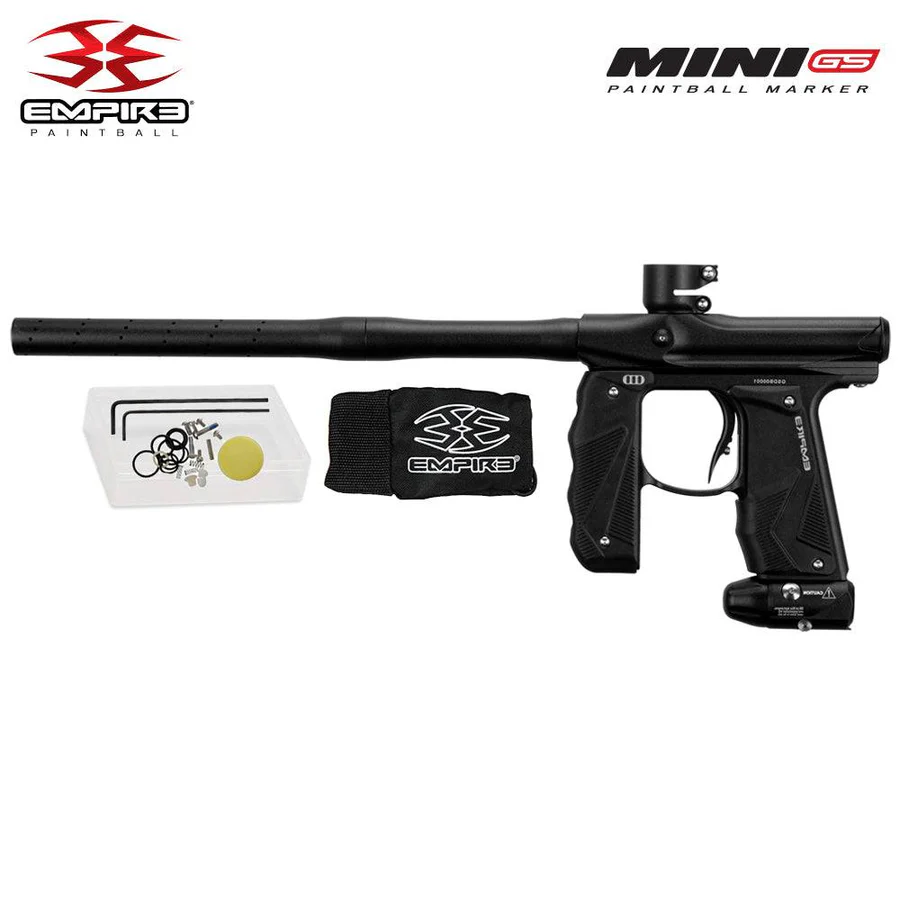
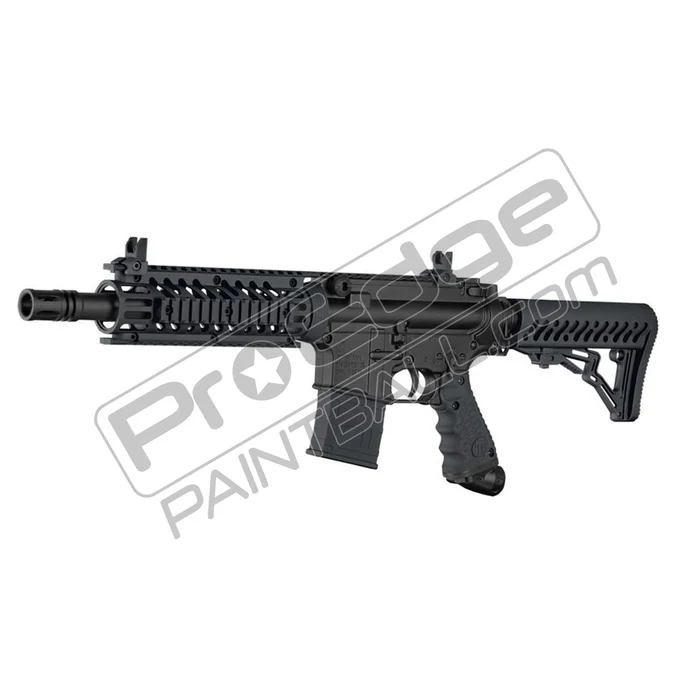
One airframe carries two payloads. MVP-1 is a drop rig that releases inert paint onto a target from overhead. MVP-2 swaps in a paintball marker to mark a target from a distance. This brief covers the airframe choice, the parts and where to buy them, the cost of each build, and how it goes together. Full engineering drawings are in the two linked sheets.
≥ 3 kg with margin (the marker config runs ~1.5–2.5 kg loaded, plus reserve)
Custom wiring
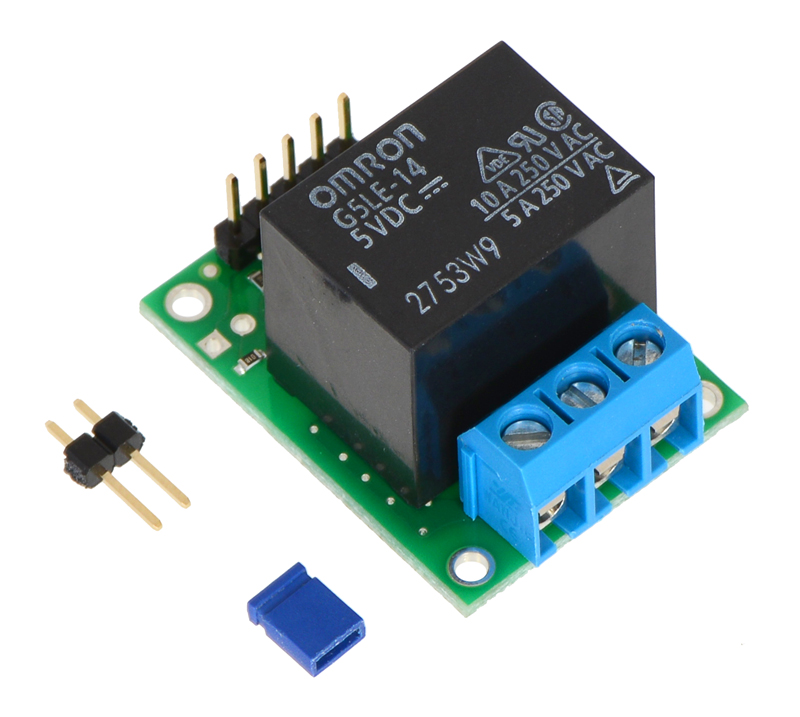
Wire a drop servo, then a marker trigger, straight to the flight controller, gated on arming
Swappable pods
Change the drop pod for the marker pod on a common mount
Open controls
Full access to every output and parameter — no vendor SDK in the way
Supply chain
Known, transparent source; parts you can re-buy and repair
Endurance / wind
≥ 15 min loaded; handles coastal wind
Cost
Priced openly, repairable, cheap enough to risk over water
Two of these settle the choice. The trigger has to wire to the flight controller, and the pods have to swap. A closed commercial drone allows neither.
That rules DJI out and points to an open autopilot — ArduPilot or PX4 on a Pixhawk or Cube. From there the airframe is either a DIY build or a ready-to-fly open platform.
Next: why DJI is out, then the three airframes we'd actually use.
2
Airframe — open autopilot, not DJI
Why not commercial DJI
Factor
What we found
Why it kills it for this build
Payload is locked
The Matrice 400 only takes payloads through DJI's own E-Port / PSDK / SkyPort — no plain servo or PWM output. A peer-reviewed study calls the PSDK a "black box" and "prohibitively difficult", one port per app.
No way to wire a drop servo or a marker trigger to the flight controller. Every pod becomes an SDK project DJI gates.
Wrong aircraft
The M400 lifts only 6 kg. The FlyCart 30 is a sealed delivery drone (fixed winch, auto-release) — one job, no custom pod.
Neither is a modifiable lifter.
Closed firmware
No access to flight-controller outputs or parameters — everything routes through DJI's SDK and app.
Can't own the airframe's behaviour; every change waits on the vendor.
No shelf price
DJI heavy-lift in Singapore is enterprise quote-only, one dealer.
"Off the shelf" isn't real here, and it still can't be modified.
Where DJI could sit
A throwaway drop demo only — a release bolted under a DJI, fired off the remote's C1/C2 button.
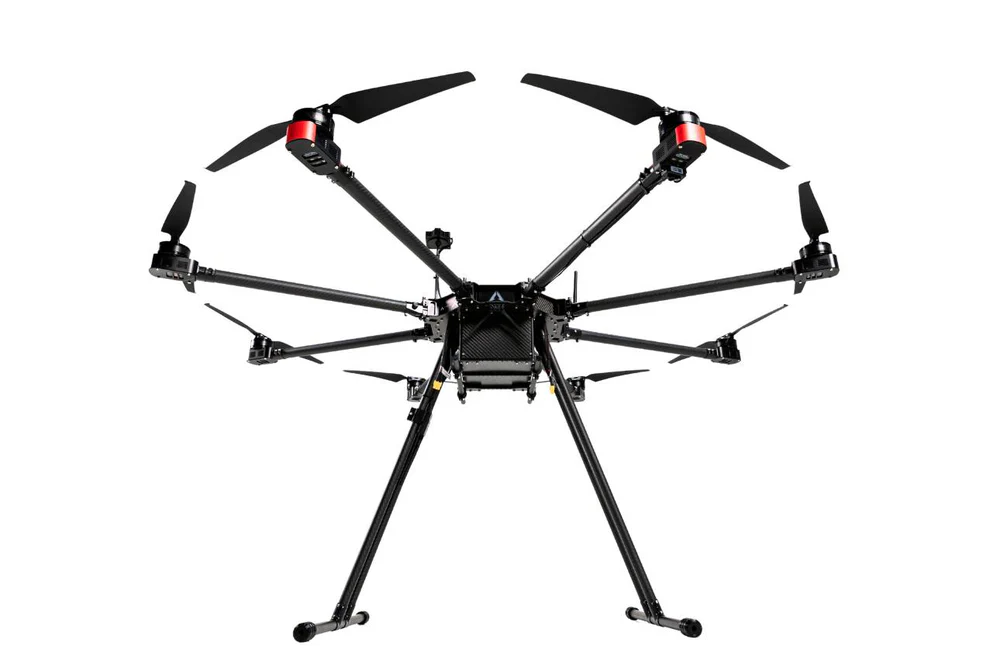
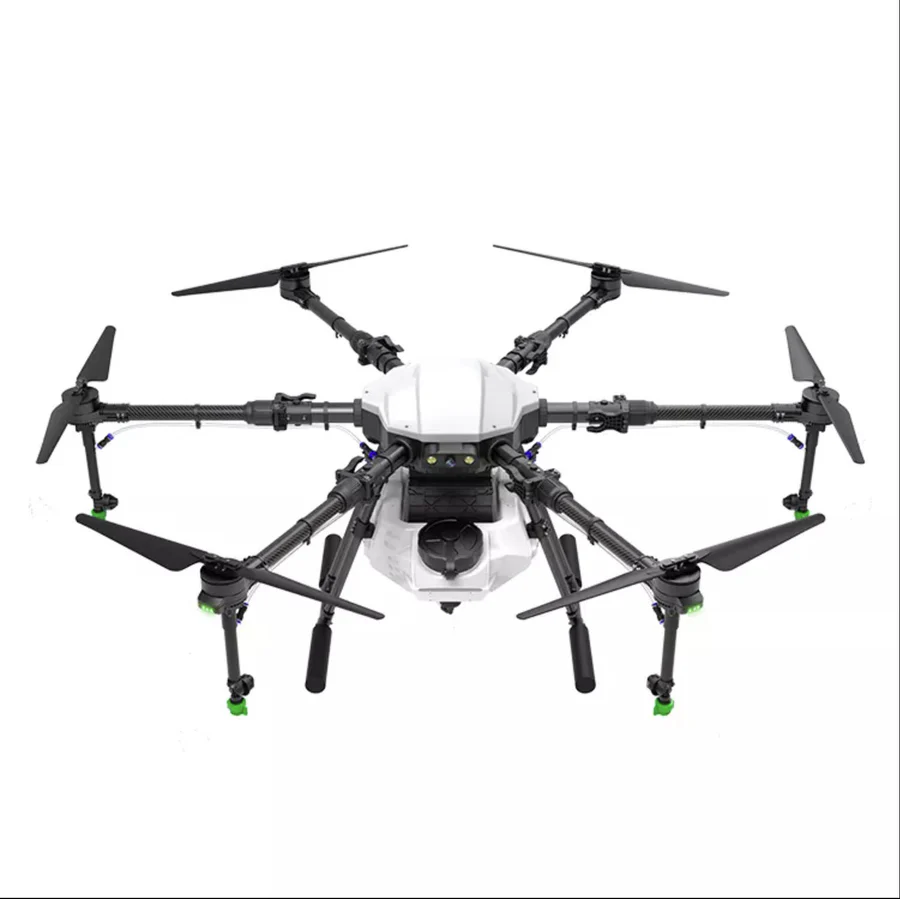
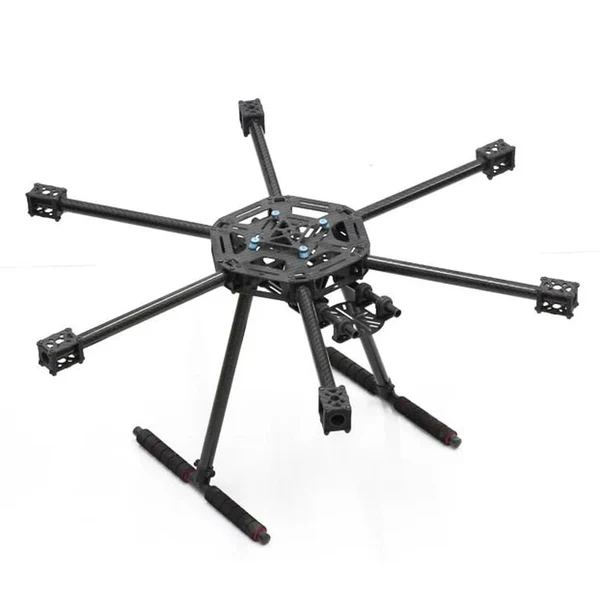
How they split: X600 is the cheap, fast frame for the first drop demo. The E610P is the program airframe — it lifts the marker config too, so it carries MVP-1 and MVP-2 without a rebuild. The Aurelia is the option if we'd rather buy than build.
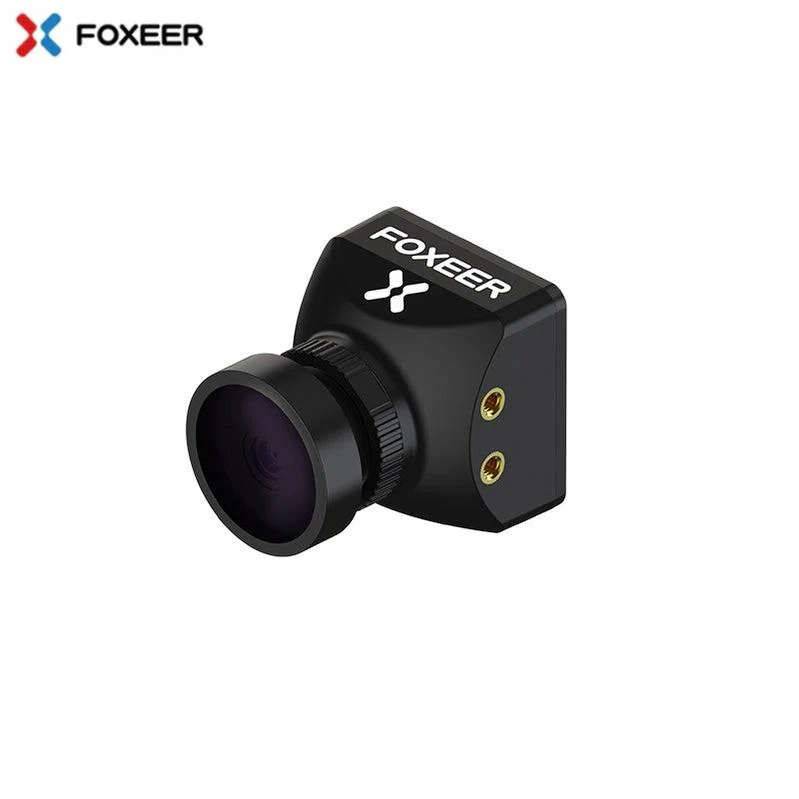
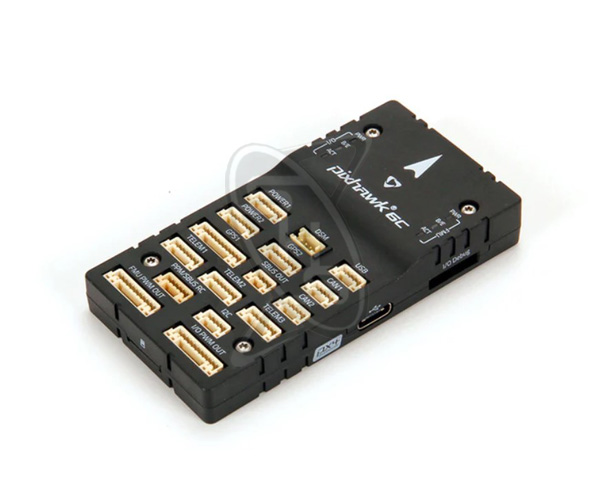
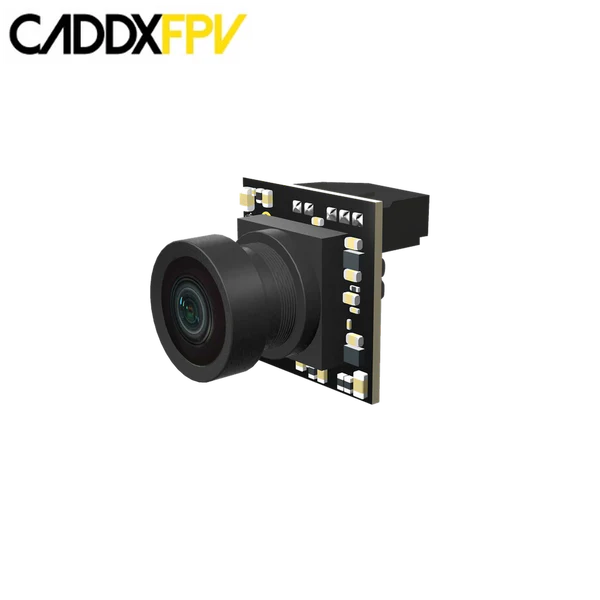
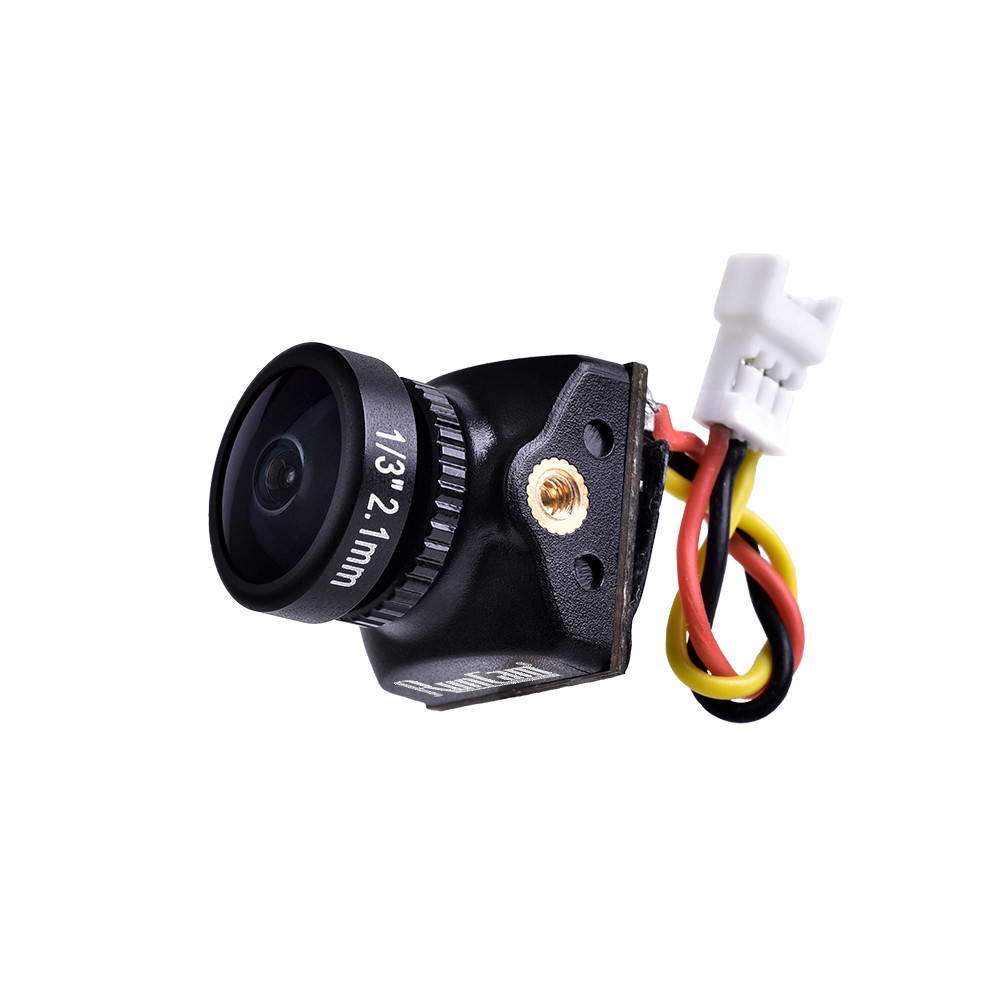
The airframe arrives assembled and tuned — frame, 8 motors, ESCs, Cube autopilot, GPS, telemetry, radio and landing gear are all in the box. Add a battery and a camera, then bolt on a pod.
Because the Cube runs open ArduPilot, the marker trigger still wires to a spare output — the same as the DIY builds. Choosing RTF doesn't give that up. A pod goes on top: drop ~S$40–200, marker ~S$600–800.
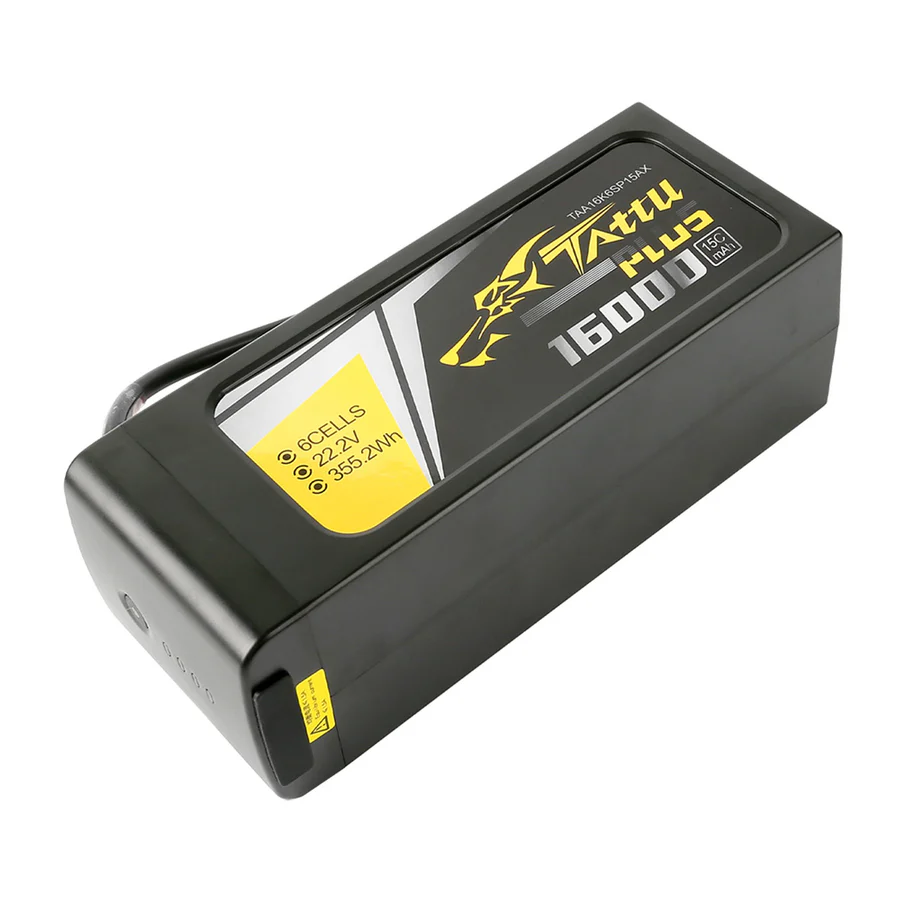
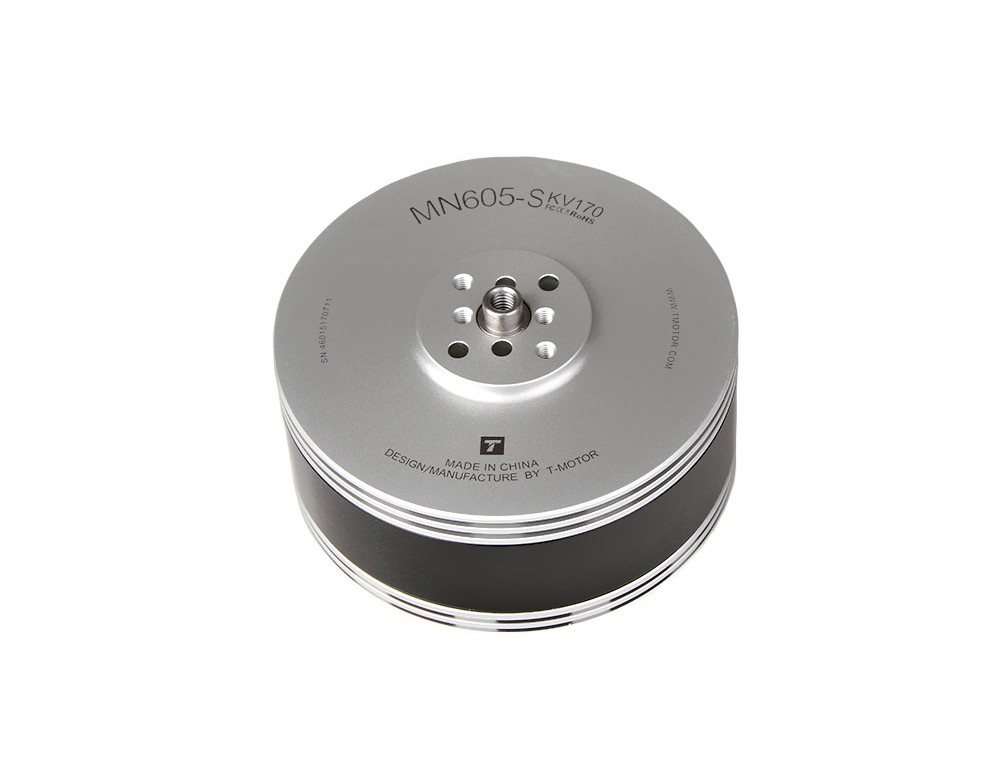
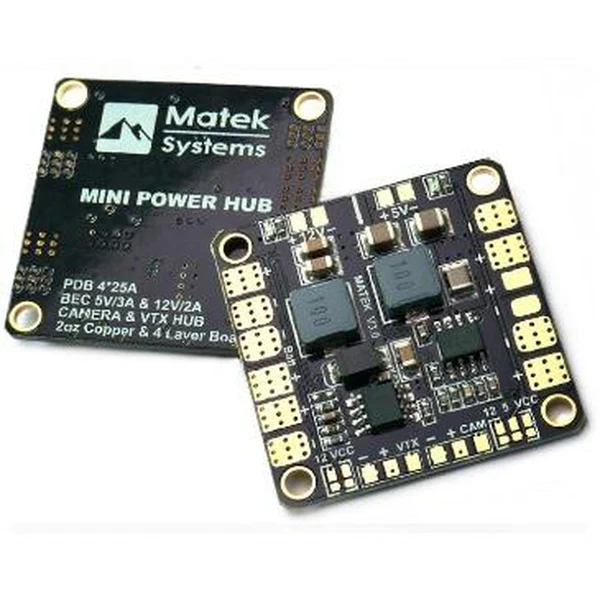
Propulsion is the swing — a Hobbywing X8 power set can push the build toward ~S$5,500. Frame, motors and battery are imported; FC, servo and FPV are SG-local. Assembled and tuned in Mission Planner.
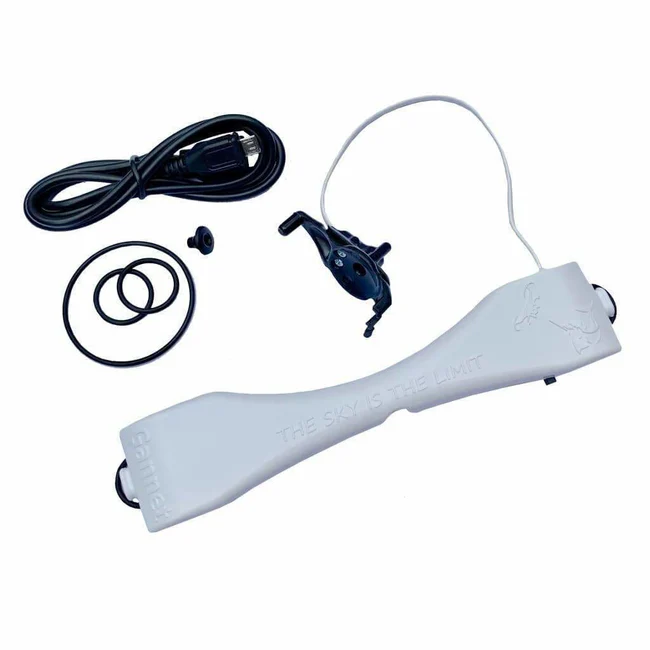
X600 lifts ~1–2 kg — enough for the drop rig, not the ~2.5 kg marker config. The MVP-1 demonstrator, not the program airframe. Or skip the build: a handy drone + Gannet release ~S$150 for the first flight.
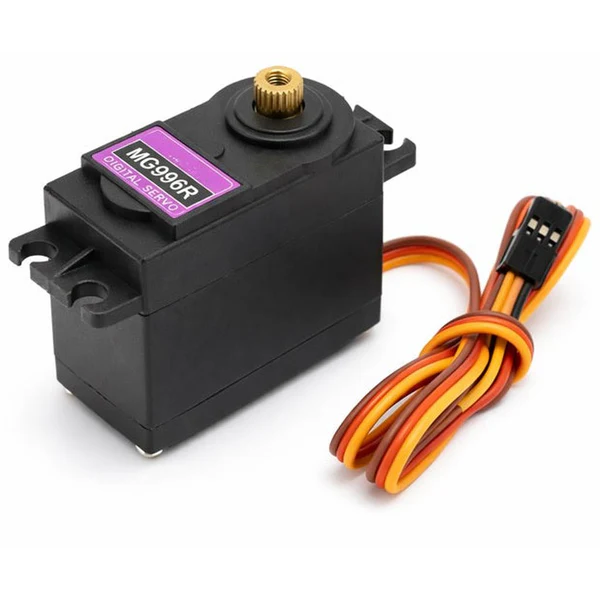
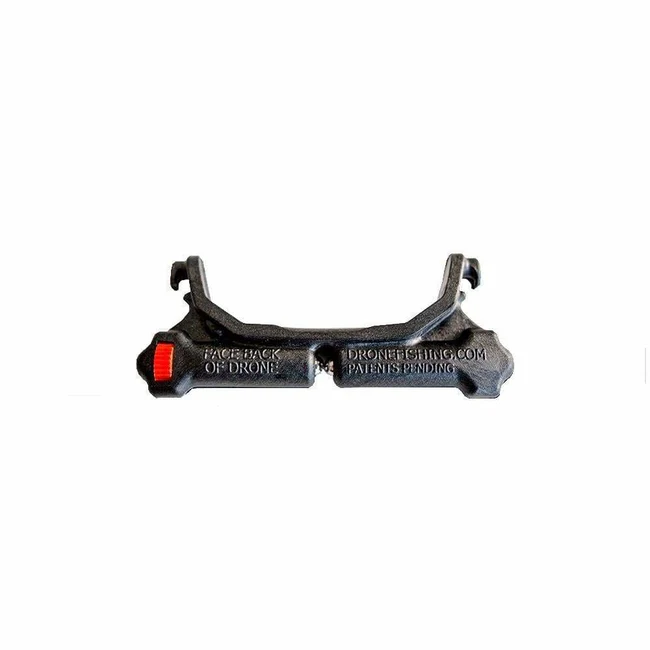
How it holds & releases: the container is never clamped — a bungee sling cradles it from below and hooks a servo-driven pin (self-holding: the load keeps the pin seated, the servo only retracts it, so it fails safe). Two ways to trigger: a Gannet off a spare RC channel (handy for the first demo), or a servo release wired to a spare autopilot output on the X600 / E610P. Balloon + sling is cheapest; a frangible capsule with a loop can hang straight off a clip release. Inert paint only.
The marker is a licensed item — buy from a licensed dealer and confirm local possession rules. Prices here are indicative.
9
Budget — the three builds
What each build costs, with a pod fitted
Build
Airframe, ready to fly
MVP-1 — drop rig
MVP-2 — marker rig
DIY · EFT E610P(program airframe)
~S$3,700
~S$3,900
~S$4,500
DIY · X600(cheap demonstrator)
~S$1,300
~S$1,500
not viable — payload
RTF · Aurelia X8
~S$9,200
~S$9,400
~S$10,000
How to read it. "Drop rig" = airframe + drop pod (adds ~S$40–200). "Marker rig" = airframe + marker pod (adds ~S$600–800). The E610P is the value pick: one airframe, both MVPs, mid cost.
The cheap start. The MVP-1 drop demonstrator is a sub-S$2k exercise on the X600 (or a handy drone + Gannet). The bigger spend is the program airframe. The real cost is authorisation time, not parts.
Dimensioned side and plan views, every part numbered to a build list, the avionics and trigger detail, and the drop / fire sequences. Split into an airframes sheet and a pods sheet — the airframe is the drawing that changes; the pods are common to both.
servo latch on a spare autopilot output, fail-safe closed
Aiming
overfly + timed drop; static/slow target first
Success
paint on target, ≥3 of 5 runs
MVP-2 — marker pod
Marker
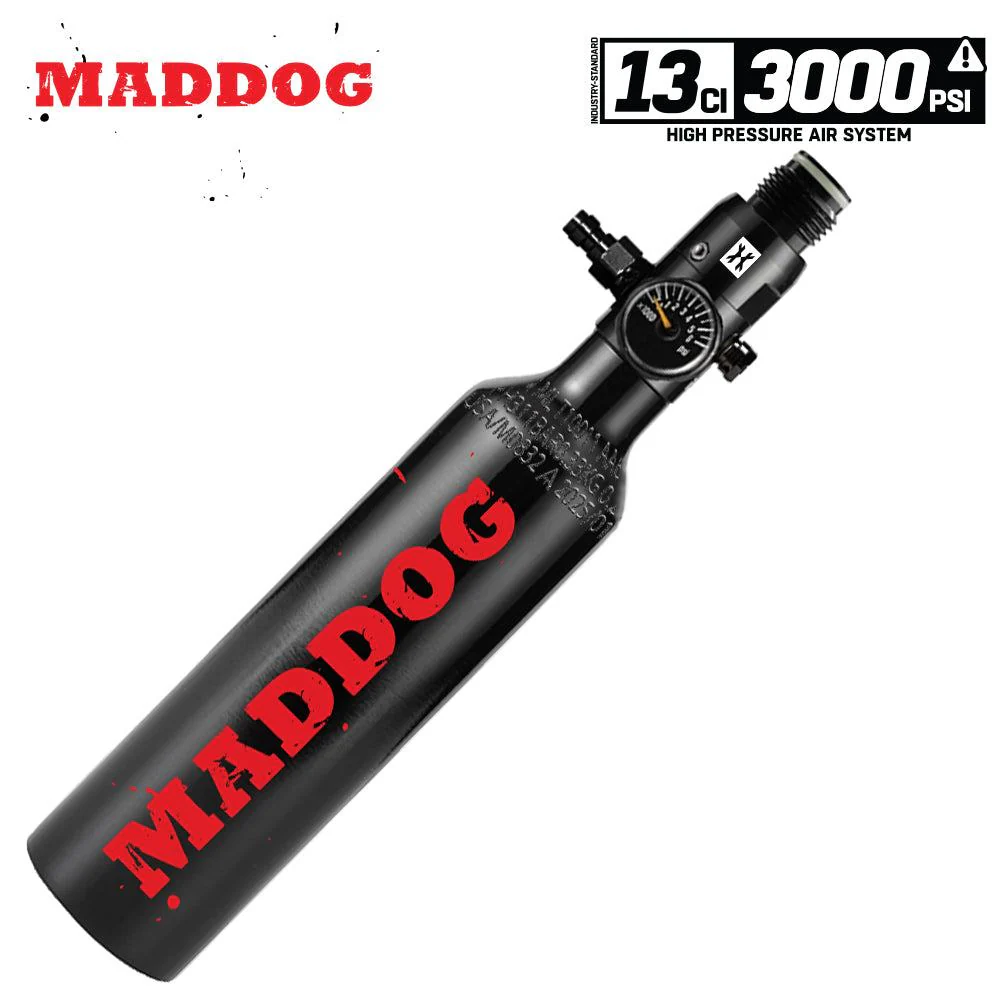
.68 electro-pneumatic, ~90 m/s, HPA + magfed
Trigger
RC-switch on the trigger board; anti-chop kept
Aiming
boresight FPV + OSD pipper; from range
Success
≥50% on 1 m² at 10–15 m, ≥3 of 5
11
What gates this · permits · safety
The parts are easy. The paperwork is the schedule.
Sequence
Now: build MVP-1 on the X600 (or a handy drone), inert paint. Run the ~S$200 fill bench-test in parallel.
Alongside: procure the E610P; start the permits below.
Once cleared: fit the marker pod — MVP-2 on the same airframe.
Permits
To fly: CAAS registration + Operator Permit + UA Pilot Licence (heavier / non-recreational drone); Broadcast Remote ID; fly only at a permitted site.
For the marker: buy from a licensed dealer and confirm local possession rules.
Import: normal (9% GST) on the parts.
Safety floor — not negotiable: inert, water-based paint or dye only. Nothing else goes in the payload.
Bottom line. Build on an open ArduPilot airframe, not DJI. MVP-1 flies from off-the-shelf parts now. MVP-2 adds a marker pod on the same airframe once permits clear. The hardware is settled; the timeline is the paperwork.
Companion sheets: the two engineering drawings (linked on the previous slide) and the full build notes in the project folder.
2026-07 · prices indicative, verify before procurement